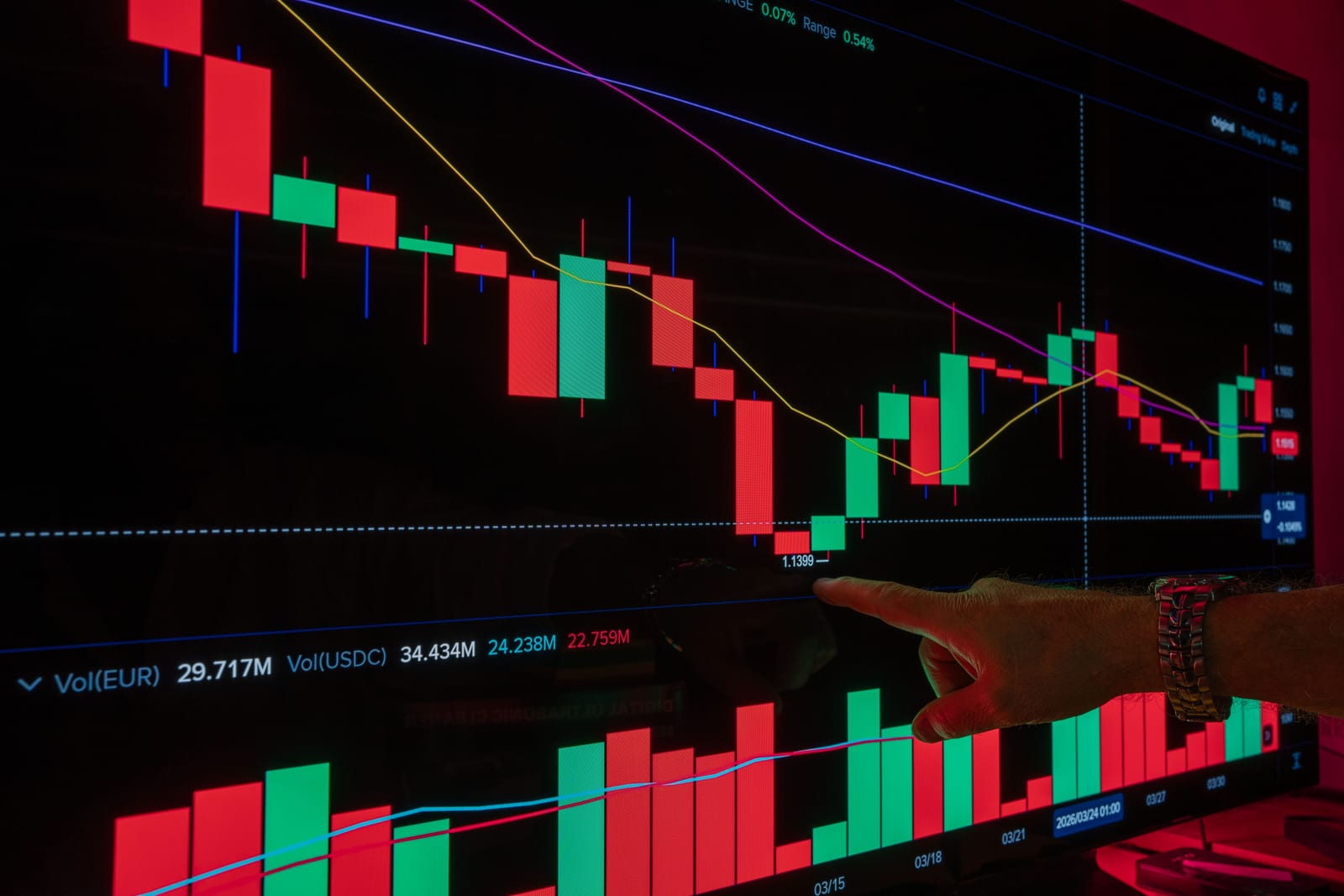
Understanding the Impact of Economic Indicators on Crypto Prices
Explore how economic indicators influence cryptocurrency valuations and trading strategies in 2026.

In the world of cryptocurrency trading, understanding the impact of economic indicators on crypto prices is crucial for making informed decisions. As the market continues to evolve, traders must stay updated on how various economic factors can influence the valuations of cryptocurrencies. This article delves into the key economic indicators that affect crypto prices, the mechanisms behind these influences, and how traders can leverage this knowledge to enhance their trading strategies.
What Are Economic Indicators?
Economic indicators are statistical data points that provide insights into the overall health of an economy. They are essential tools for traders, economists, and policymakers to gauge economic performance and predict future trends. Economic indicators can be categorized into three main types:
- Leading Indicators: These indicators predict future economic activity. Examples include stock market performance and new housing starts.
- Lagging Indicators: These reflect the economy's past performance, such as unemployment rates and GDP growth.
- Coincident Indicators: These move in tandem with the economy, such as retail sales and industrial production.
Understanding these categories can help traders identify potential price movements in the cryptocurrency market based on economic trends.
Key Economic Indicators That Impact Crypto Prices
Several economic indicators significantly influence the prices of cryptocurrencies. Here are some of the most important ones:
1. Inflation Rates
Inflation is a critical economic indicator that measures the rate at which the general level of prices for goods and services is rising. In the context of cryptocurrencies, inflation can have a profound impact:
- Value Preservation: Cryptocurrencies like Bitcoin are often viewed as a hedge against inflation. When inflation rates rise, investors may flock to cryptocurrencies to preserve their wealth, driving up demand and prices.
- Central Bank Policies: High inflation often leads central banks to increase interest rates. Higher interest rates can strengthen fiat currencies, potentially leading to a decrease in crypto prices as investors move funds back to traditional assets.
2. Interest Rates
Interest rates set by central banks directly influence economic activity and can have a ripple effect on crypto prices:
- Cost of Capital: When interest rates are low, borrowing becomes cheaper, encouraging investment in riskier assets like cryptocurrencies. Conversely, higher rates can deter investment, leading to price declines.
- Opportunity Cost: Investors weigh the returns from traditional investments against potential crypto gains. When interest rates rise, the opportunity cost of holding non-yielding assets like cryptocurrencies increases, potentially leading to a sell-off.
3. Employment Data
Employment indicators, such as the unemployment rate and non-farm payroll figures, provide insights into economic health:
- Consumer Confidence: High employment rates generally boost consumer confidence, leading to increased spending and investment in riskier assets, including cryptocurrencies.
- Market Sentiment: Conversely, rising unemployment can trigger market pessimism, leading to a decrease in demand for cryptocurrencies as investors seek safer assets.
4. Gross Domestic Product (GDP)
GDP measures the total economic output of a country and serves as a broad indicator of economic health:
- Economic Growth: A growing GDP often correlates with increased investor confidence, which can lead to higher cryptocurrency demand and prices.
- Recession Signals: Conversely, a contracting GDP can signal economic woes, prompting investors to retreat from riskier markets like cryptocurrency.
5. Consumer Price Index (CPI)
The Consumer Price Index (CPI) measures the average change over time in the prices paid by consumers for goods and services:
- Inflation Indicator: A rising CPI indicates increasing inflation, which can lead to a surge in crypto prices as investors seek alternatives to fiat currencies.
- Market Reactions: Traders closely monitor CPI reports, as unexpected changes can lead to rapid price fluctuations in the crypto market.
How Economic Indicators Affect Market Sentiment
Market sentiment plays a crucial role in cryptocurrency pricing. Economic indicators can shift sentiment dramatically, impacting buying and selling behaviors:
- Positive Economic News: When economic indicators signal growth, traders may feel optimistic, leading to increased buying pressure in the crypto market.
- Negative Economic News: Conversely, negative reports can lead to panic selling, driving prices down as traders rush to liquidate their positions.
Example of Market Sentiment in Action
For instance, when the U.S. Federal Reserve announces a lower-than-expected inflation rate, it often leads to a surge in crypto prices as traders interpret this as a sign of economic stability. Conversely, a surprise increase in unemployment rates can trigger a sell-off, as traders seek to minimize losses in a volatile market.
The Interplay Between Traditional Markets and Crypto Prices
The relationship between traditional financial markets and cryptocurrencies cannot be overlooked. Economic indicators that affect stock markets also influence crypto prices:
- Correlation with Equity Markets: Cryptocurrencies, particularly Bitcoin, have shown correlation with stock market trends. A bullish stock market can lead to increased investment in cryptocurrencies as risk appetite grows.
- Safe-Haven Assets: In times of economic uncertainty, both gold and cryptocurrencies can serve as safe-haven assets. Economic indicators that suggest instability can lead to increased demand for these assets, driving up prices.
Strategies for Traders to Navigate Economic Indicators
Understanding the impact of economic indicators on crypto prices allows traders to develop informed strategies:
- Stay Informed: Regularly monitor economic reports and news releases. Economic calendars can help traders anticipate upcoming data releases that may affect market sentiment.
- Technical Analysis: Combine economic indicators with technical analysis to identify potential entry and exit points. Patterns in price charts can provide insights into how the market may react to economic news.
- Diversification: Diversifying your portfolio can mitigate risks associated with economic fluctuations. Consider holding a mix of cryptocurrencies and traditional assets to balance exposure.
Conclusion
In conclusion, understanding the impact of economic indicators on crypto prices is essential for traders seeking to navigate the volatile landscape of cryptocurrency trading. By keeping a close eye on inflation rates, interest rates, employment data, GDP, and CPI, traders can make more informed decisions and develop strategies that align with market trends. As the cryptocurrency market continues to evolve, staying informed about economic indicators will be key to achieving trading success.
FAQ Section
1. How do economic indicators specifically affect Bitcoin prices?
Economic indicators such as inflation rates and interest rates can significantly impact Bitcoin prices. For instance, high inflation may lead investors to seek Bitcoin as a hedge against currency devaluation, driving its price up. Conversely, rising interest rates can deter investment in Bitcoin as the opportunity cost increases.
2. What role does consumer confidence play in cryptocurrency valuation?
Consumer confidence is a crucial factor in cryptocurrency valuation. High consumer confidence often leads to increased spending and investment in riskier assets, including cryptocurrencies. Conversely, low consumer confidence can result in decreased demand for cryptocurrencies as investors seek safer options.
3. Can economic indicators predict crypto market crashes?
While economic indicators can provide insights into potential market trends, they cannot predict crashes with certainty. However, indicators like rising unemployment rates or declining GDP may signal economic instability, prompting traders to exercise caution and potentially leading to market downturns.
4. How often should traders check economic indicators?
Traders should regularly monitor economic indicators, especially around major reports and announcements. Using an economic calendar can help traders stay informed about upcoming data releases that may affect the crypto market.
5. Are there specific indicators that are more relevant to crypto trading?
While all economic indicators can impact cryptocurrency prices, inflation rates, interest rates, and employment data are particularly relevant. These indicators often correlate with market sentiment and can lead to significant price movements in the crypto market.
Call to Action
Ready to enhance your trading strategies with real-time insights? Create a free account with Trnd Tools today and access comprehensive trading tools designed for serious traders. Join us at Trnd Tools and take your trading to the next level!
Put it into practice in a trade journal
Log your crypto trades in Trnd Tools and see your real win rate, profit factor and which setups actually pay. Free for up to 10 trades a month, with 30 days of Pro on signup and no card required.
Start journaling freeOr see the trade journal tour and the free trading calculators.