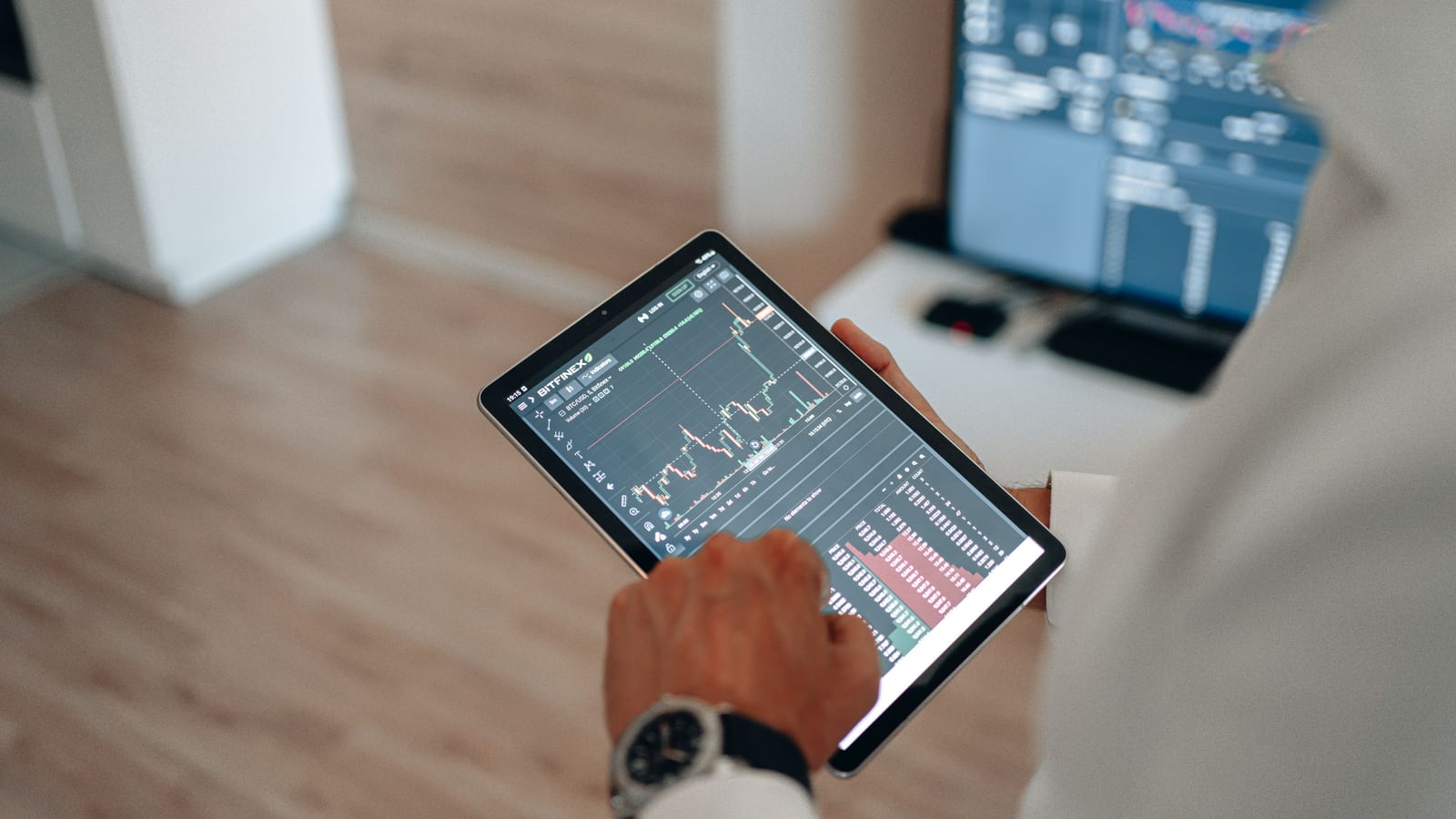
Trading Multiple Exchanges? How to See One P&L
Learn how to effectively manage your trades across multiple exchanges with a multi exchange trading journal to streamline your P&L analysis.
In the ever-evolving world of cryptocurrency trading, many traders find themselves managing multiple accounts across various exchanges. This can quickly become overwhelming, especially when it comes to tracking profits and losses (P&L). A multi exchange trading journal is an essential tool for serious traders looking to consolidate their trading data into a single, comprehensive view. In this article, we will explore how you can effectively manage your trades across multiple exchanges, the importance of a structured journal, and how to navigate the complexities of fees that can obscure your true performance.
Understanding the Challenges of Multi-Exchange Trading
Trading across multiple platforms can offer advantages such as access to different markets, liquidity, and trading pairs. However, it also presents significant challenges. Here are some common issues traders face:
- Data Fragmentation: Each exchange has its own interface, reporting style, and data structure. This can lead to a disjointed view of your overall trading performance.
- Complex Fee Structures: Different exchanges have varying fee structures, which can significantly impact your profits. Without a clear overview, it’s easy to overlook how fees affect your bottom line.
- Time Consumption: Manually tracking trades across multiple platforms is not only tedious but also prone to errors. This can lead to inaccurate performance assessments and missed opportunities.
Given these challenges, having a consolidated view of your trades becomes essential. A multi exchange trading journal can help you streamline this process.
What is a Multi Exchange Trading Journal?
A multi exchange trading journal is a digital tool designed to aggregate and analyse your trading data from different exchanges into one cohesive platform. With features such as exchange auto-sync, you can automatically import trades from exchanges like Binance, Bybit, and Kraken, allowing for real-time tracking of your performance.
Key Features of a Multi Exchange Trading Journal
- Exchange Auto-Sync: Easily connect your accounts by pasting a READ-ONLY API key. This feature pulls in every fill automatically, ensuring your data is always up-to-date.
- Consolidated P&L Reporting: View your profits and losses rolled up into one dashboard, making it easier to assess your overall performance.
- Comprehensive Analytics: Gain insights into your trading habits with metrics like win rate, profit factor, and expectancy. This can help you make informed decisions moving forward.
For example, if you traded on Binance and Bybit, your journal would aggregate all trades from both platforms, allowing you to see a single P&L report rather than having to calculate it manually.
The Importance of Structured Journaling
Journaling your trades is a critical aspect of trading discipline. It helps you identify patterns, understand your decision-making process, and refine your strategies. Here’s why structured journaling is essential:
1. Performance Tracking
A structured journal allows you to log trades with details such as entry and exit points, trade size, and market conditions. Over time, you can analyse this data to identify what works and what doesn’t, leading to improved performance.
2. Identifying Patterns
By consistently logging your trades, you can spot recurring patterns in your trading behaviour. For instance, you might discover that you perform better during specific market conditions or that certain assets yield higher returns.
3. Emotional Reflection
Trading can be an emotional rollercoaster. A journal provides a space to reflect on your emotional state during trades, helping you recognise when emotions may have influenced your decisions.
Example of a Trade Journal Entry
To illustrate, let’s consider a simple example:
- Trade 1: Bought 0.5 BTC at $30,000, sold at $32,000.
- P&L: $1,000 (excluding fees)
- Trade 2: Bought 1 ETH at $2,000, sold at $2,100.
- P&L: $100 (excluding fees)
In your journal, you would log these trades, including the fees incurred on each exchange. This gives you a clear view of your profitability across multiple trades.
How Fees Can Hide in Your Data
One of the biggest pitfalls in multi-exchange trading is the impact of fees. Each exchange has its own fee structure, which can include trading fees, withdrawal fees, and deposit fees. Without proper tracking, these fees can obscure your actual performance. Here’s how to manage this:
1. Understand Fee Structures
Each exchange has its own set of fees. Familiarise yourself with these to understand how they affect your trades. For instance:
- Trading Fees: Typically a percentage of the trade amount. This can vary based on your trading volume or whether you are a maker or taker.
- Withdrawal Fees: Charged when you move funds off the exchange, which can vary by asset.
2. Incorporate Fees into Your Journal
Make sure to log fees alongside your trades in your multi exchange trading journal. This will give you a more accurate P&L calculation. For example, if you incur a $10 fee on a trade that made you $100, your net profit is actually $90.
3. Use Analytics to Assess Impact
Utilising analytics features in your journal can help you assess how fees impact your overall performance. For instance, if you notice that a significant portion of your profits is being eaten up by fees, it may be time to reconsider your trading strategy or the exchanges you are using.
Consolidating Your Trading Data
To effectively manage your trades across multiple exchanges, it’s crucial to have a system that consolidates your data. Here’s how you can achieve this:
1. Choose the Right Tools
Select a multi exchange trading journal that allows for easy integration with your trading platforms. Look for features like real-time data syncing, comprehensive analytics, and an intuitive user interface.
2. Regular Updates
Ensure that your journal is regularly updated with new trades. This will help you maintain an accurate view of your performance and make timely adjustments to your strategies.
3. Review and Reflect
Set aside time each week or month to review your trading journal. Look for trends, evaluate your strategies, and adjust your approach as necessary.
Conclusion
Managing multiple exchanges doesn’t have to be a daunting task. With a multi exchange trading journal, you can streamline your trading process, accurately track your P&L, and gain valuable insights into your trading performance. By incorporating structured journaling into your routine, you can enhance your trading discipline and make more informed decisions.
If you're ready to take your trading to the next level, start your free journal at Trnd Tools. Experience the benefits of real-time insights and comprehensive trading tools today.
FAQ
What is a multi exchange trading journal?
A multi exchange trading journal is a digital tool that aggregates and analyses your trading data from various exchanges into one unified platform. This allows traders to see their overall performance in one place.
How can I track my trades across different exchanges?
You can track your trades across different exchanges by using a multi exchange trading journal that supports exchange auto-sync. By pasting a READ-ONLY API key, your trades will be automatically imported and logged.
Why are trading fees important to track?
Trading fees can significantly impact your profits. By tracking fees alongside your trades, you can gain a clearer picture of your net profitability and make better trading decisions.
How often should I update my trading journal?
It’s advisable to update your trading journal regularly, ideally after each trade or at least daily. This ensures that your data is accurate and up-to-date, allowing for timely analysis.
Can I use a multi exchange trading journal for free?
Yes, many platforms, including Trnd Tools, offer a free plan that allows you to log a limited number of trades per month. You can also explore premium features with a subscription.
Put it into practice in a trade journal
Log your crypto trades in Trnd Tools and see your real win rate, profit factor and which setups actually pay. Free for up to 10 trades a month, with 30 days of Pro on signup and no card required.
Start journaling freeOr see the trade journal tour and the free trading calculators.