
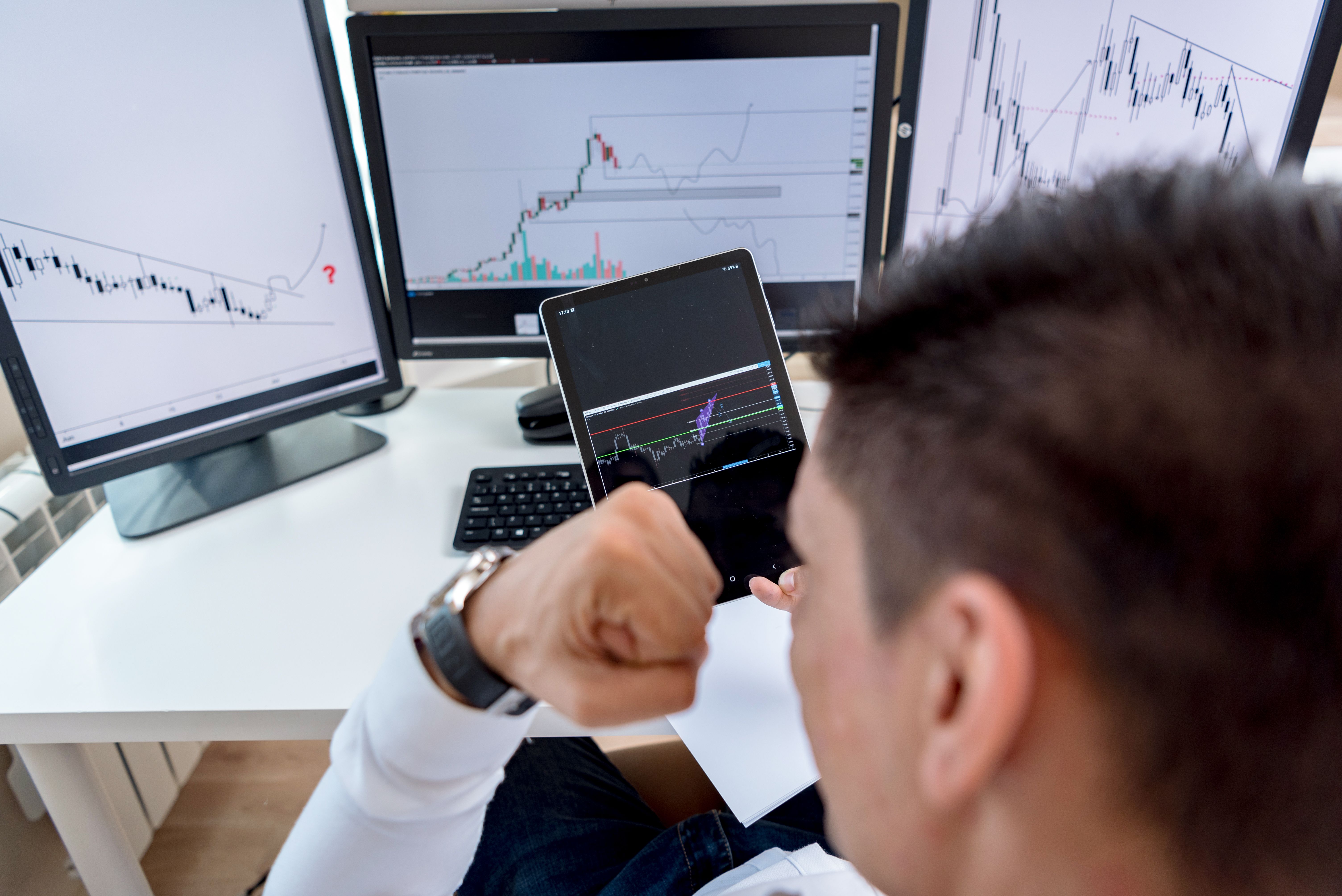
In the fast-paced world of trading, the choice between real-time data vs historical data trading can significantly impact your strategy and success. Both types of data provide unique insights, but understanding their strengths and weaknesses is crucial for making informed trading decisions. In this article, we will explore the key differences between real-time and historical data, their benefits, and how traders can effectively leverage both to enhance their trading performance.
Understanding Real-Time Data in Trading
Real-time data refers to information that is delivered immediately as it becomes available. In the context of trading, this often includes live price feeds, order book information, and market sentiment indicators. Here’s why real-time data is essential for traders:
Immediate Insights and Speed
One of the most significant advantages of real-time data is the speed at which it is delivered. In trading, every second counts. Real-time data enables traders to react promptly to market movements, capitalize on sudden price changes, and execute trades at optimal prices. For example, if a cryptocurrency experiences a sudden surge in trading volume, real-time data allows traders to take advantage of this opportunity before the market adjusts.
Enhanced Decision-Making
Real-time data provides traders with the latest information, which is critical for making informed decisions. This includes:
- Price Movements: Tracking live price changes can help traders identify trends and reversals.
- Market Sentiment: Understanding how other traders feel about a particular asset can provide insights into potential future movements.
- News Events: Immediate updates on market-moving news can allow traders to adjust their strategies accordingly.
Tools for Real-Time Data
Traders often utilize various tools and platforms to access real-time data, such as:
- Trading Terminals: Platforms like Trnd Terminal offer comprehensive market insights, including price tracking and sentiment analysis, all in one place.
- Market News Feeds: Curated news services provide timely updates on significant events affecting the market.
- Charting Tools: Real-time charts help traders visualize price movements and make quick decisions based on current data.
The Role of Historical Data in Trading
Historical data, on the other hand, refers to past market information, including prices, volumes, and other relevant metrics over a specified period. While it may not offer the immediacy of real-time data, historical data plays a vital role in trading strategies. Here’s how:
Trend Analysis
Historical data is essential for identifying long-term trends and patterns. By analyzing price movements over time, traders can:
- Recognize Patterns: Historical data helps traders identify recurring patterns, such as bullish or bearish trends.
- Assess Volatility: Understanding how an asset has performed in different market conditions can provide insights into its volatility.
- Set Targets: Historical data can aid in setting realistic price targets based on past performance.
Backtesting Strategies
One of the most powerful uses of historical data is backtesting trading strategies. Traders can simulate their strategies using past data to determine their effectiveness before applying them in real-time. This involves:
- Evaluating Performance: Analyzing how a strategy would have performed in the past can help traders refine their approach.
- Risk Assessment: Historical data allows traders to assess the risks associated with a particular strategy over various market conditions.
Tools for Historical Data
Several tools and platforms provide access to historical data, including:
- Trading Journals: Platforms like Trnd Tools’ Trading Journal enable traders to log trades and monitor performance over time.
- Data Providers: Services that specialize in historical market data allow traders to access comprehensive datasets for analysis.
- Charting Software: Many charting tools offer historical data visualization, enabling traders to analyze past price movements effectively.
Comparing Real-Time Data and Historical Data
While both real-time and historical data are crucial for traders, they serve different purposes. Here’s a comparison of their key features:
| Feature | Real-Time Data | Historical Data |
|---|---|---|
| Speed | Immediate updates | Delayed, based on historical records |
| Use Cases | Immediate trading decisions | Strategy development and analysis |
| Data Types | Live prices, market sentiment | Past prices, volumes, patterns |
| Tools | Trading terminals, news feeds | Backtesting software, trading journals |
| Advantages | Fast reaction, up-to-date insights | In-depth analysis, trend recognition |
| Limitations | Can be noisy, may lack context | May not reflect current market conditions |
When to Use Real-Time Data
Real-time data is invaluable for:
- Day Traders: Those who make multiple trades within a single day rely heavily on real-time data to capitalize on short-term price movements.
- Scalpers: Traders who seek to profit from small price changes need immediate data to execute quick trades.
- News Traders: Traders who react to news events must have access to real-time updates to make informed decisions.
When to Use Historical Data
Historical data is essential for:
- Swing Traders: Traders who hold positions for several days or weeks can benefit from historical data to identify trends and potential reversals.
- Position Traders: Those who take a long-term approach to trading rely on historical data to assess the overall market context.
- Strategy Developers: Traders looking to create or refine their strategies need historical data for backtesting and analysis.
Finding the Right Balance
The most successful traders understand the importance of both real-time and historical data. Here are some tips for finding the right balance:
- Combine Insights: Use historical data to develop strategies and real-time data to execute them. For instance, you can analyze historical trends to set entry and exit points and then use real-time data to monitor price movements.
- Stay Informed: Keep an eye on market news and events while using historical data to understand their potential impact. This will help you make informed decisions based on both current events and past performance.
- Utilize Tools: Leverage platforms like Trnd Tools that provide both real-time insights and historical analysis tools to create a comprehensive trading environment.
Conclusion
In the debate of real-time data vs historical data trading, it’s clear that both play a vital role in a trader’s toolkit. Real-time data offers immediate insights crucial for quick decision-making, while historical data provides the context needed for long-term strategies and analysis. By understanding the strengths and limitations of each, traders can develop a balanced approach that enhances their trading performance.
FAQ Section
1. What is real-time data in trading?
Real-time data in trading refers to information that is delivered instantly as it becomes available, including live price feeds, market sentiment, and order book data, allowing traders to react quickly to market changes.
2. How does historical data help traders?
Historical data helps traders by allowing them to analyze past price movements, identify trends and patterns, and backtest trading strategies to assess their effectiveness before applying them in real-time.
3. Which type of data is more important for day trading?
For day trading, real-time data is more important as it provides immediate insights necessary for making quick trading decisions and capitalizing on short-term price movements.
4. Can I rely solely on historical data for trading decisions?
While historical data is valuable for strategy development and trend analysis, relying solely on it can be risky. It’s crucial to incorporate real-time data to stay informed about current market conditions.
5. What tools can I use for accessing real-time and historical data?
There are various tools available, such as trading terminals for real-time data and backtesting software or trading journals for historical data. Platforms like Trnd Tools offer comprehensive insights for both types of data.
Call to Action
Ready to enhance your trading strategy with real-time insights? Join Trnd Tools today and create your free account to access our powerful trading intelligence tools. Create Free Account