
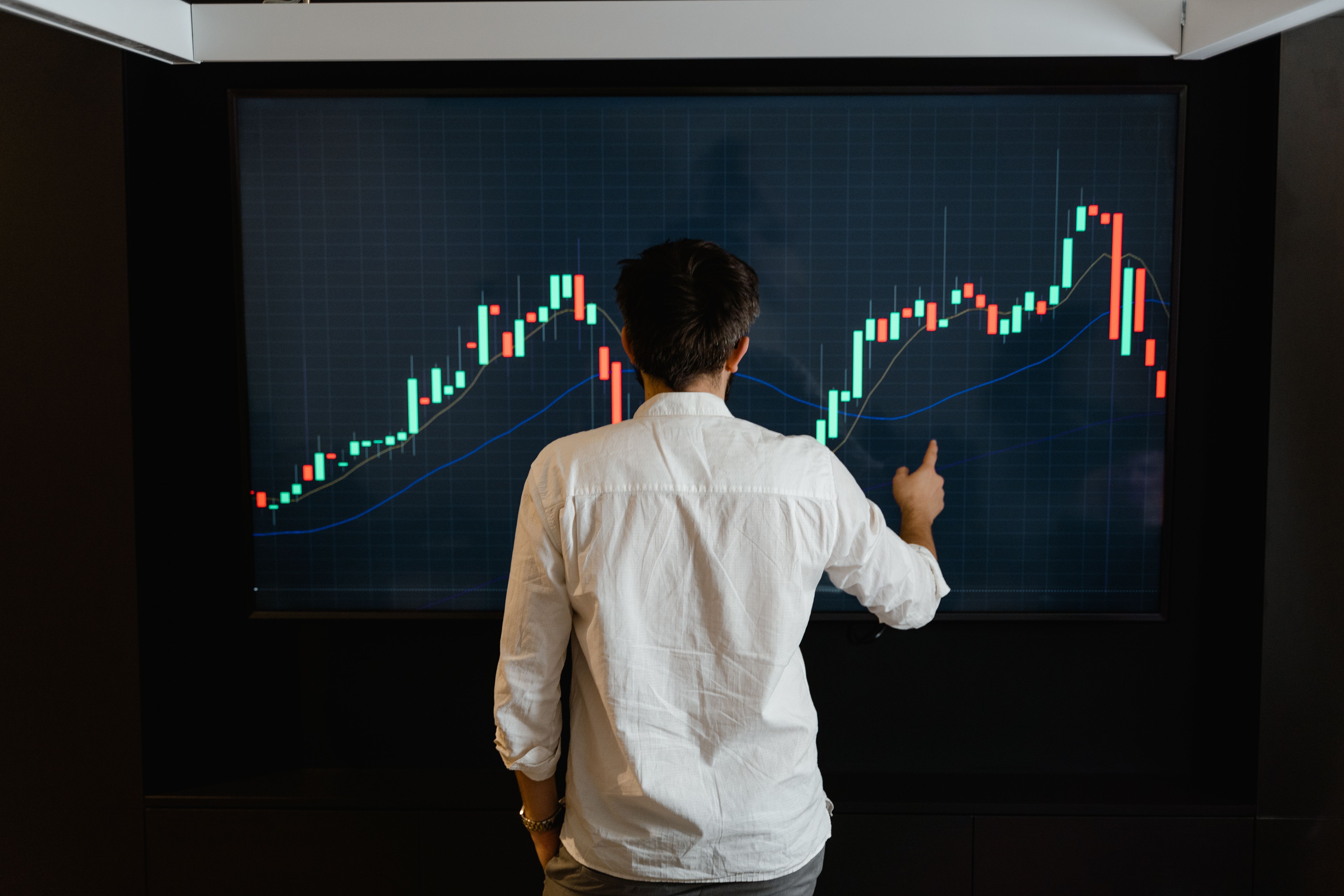
In the fast-paced world of cryptocurrency trading, market volatility is a constant companion. As we navigate through 2026, traders must equip themselves with effective strategies to manage their trades during these unpredictable conditions. This article will explore essential crypto market volatility tips for 2026, offering insights on how to make informed decisions and maximize your trading potential.
Understanding Market Volatility in Crypto
Cryptocurrency markets are known for their inherent volatility. Unlike traditional financial markets, where price movements can be more gradual, crypto prices can fluctuate dramatically in a matter of minutes. This volatility can be triggered by various factors, including:
- Market Sentiment: News events, social media trends, and influencer opinions can sway market sentiment quickly, leading to rapid price changes.
- Regulatory Changes: Announcements from governments or financial authorities can impact market confidence and cause significant price swings.
- Technological Developments: Innovations or issues in blockchain technology can influence the perceived value of cryptocurrencies.
- Economic Factors: Global economic conditions, such as inflation rates and currency fluctuations, can also play a role.
Understanding these factors is crucial for traders looking to navigate the turbulent waters of the crypto market in 2026.
Importance of Real-Time Data and Insights
In a volatile market, real-time data is your best ally. Having access to accurate, structured trading insights allows you to make informed decisions quickly. Here are some ways to leverage real-time data:
- Utilize Trading Platforms: Platforms like Trnd Tools provide comprehensive market insights, including price tracking, sentiment analysis, and macroeconomic insights. By using such tools, you can stay ahead of market trends and make timely trades.
- Set Alerts: Many trading platforms allow you to set alerts for specific price points or market events. This feature can help you react promptly to significant market movements without constantly monitoring the charts.
- Follow Market News: Curated news feeds that focus on market-moving events can help you filter out the noise and focus on what truly matters. Staying informed about the latest developments can provide context for market fluctuations.
Developing a Risk Management Strategy
One of the most critical aspects of trading during volatile conditions is having a robust risk management strategy. Here are some tips to consider:
- Set Stop-Loss Orders: A stop-loss order helps limit your losses by automatically selling your position when it reaches a predetermined price. This strategy is particularly useful during sudden market downturns.
- Diversify Your Portfolio: Avoid putting all your capital into one cryptocurrency. Diversification across multiple assets can help mitigate risks associated with price volatility.
- Position Sizing: Carefully consider how much capital you allocate to each trade. A well-thought-out position size can help you manage risk while still allowing for potential gains.
- Regularly Review Your Strategy: Market conditions change rapidly, and so should your trading strategy. Regularly assess your risk management techniques and adjust them based on market conditions.
Embracing Technical Analysis
Technical analysis is an essential tool for traders looking to navigate market volatility. By studying past price movements and trading volume, you can identify patterns that may inform your trading decisions. Here are some technical analysis techniques to consider:
- Moving Averages: Moving averages smooth out price data to identify trends over a specific period. They can help you determine whether to enter or exit a trade based on the direction of the trend.
- Support and Resistance Levels: Identifying key support and resistance levels can help you understand where prices may reverse or consolidate. These levels are crucial during volatile periods, as they can indicate potential entry or exit points.
- Volume Analysis: Monitoring trading volume can provide insights into the strength of a price movement. High volume during a price increase may indicate strong buying interest, while low volume during a price decline may suggest a lack of selling pressure.
Staying Emotionally Disciplined
Emotions can significantly impact trading decisions, especially during volatile periods. Fear and greed can lead to impulsive actions, resulting in losses. Here are some strategies to maintain emotional discipline:
- Create a Trading Plan: Establish a clear trading plan that outlines your goals, risk tolerance, and strategies. Stick to this plan, even when emotions run high.
- Practice Mindfulness: Techniques such as meditation or deep breathing can help you stay calm during stressful trading situations. A clear mind can lead to better decision-making.
- Take Breaks: If you find yourself feeling overwhelmed, take a break from trading. Stepping away from the market can help you regain perspective and reduce emotional decision-making.
Leveraging Market Insights for Strategic Trading
In 2026, traders must leverage market insights to make informed decisions. Here are some strategies to consider:
- Follow Analyst Insights: Many trading platforms offer access to analyst insights and predictions. These can provide valuable context for your trading decisions and help you anticipate market movements.
- Utilize Macro Insights: Understanding macroeconomic factors can help you gauge market sentiment and make informed trading choices. Pay attention to global economic trends, as they can impact the crypto market.
- Network with Other Traders: Engaging with a community of traders can provide additional insights and perspectives. Join forums, social media groups, or trading platforms to exchange ideas and strategies.
The Role of Automation in Volatile Markets
Automation can be a game-changer for traders dealing with market volatility. Here’s how to leverage automation:
- Automated Trading Bots: Trading bots can execute trades based on predefined strategies, allowing you to take advantage of market opportunities without being glued to your screen.
- Algorithmic Trading: This method uses algorithms to analyze market data and execute trades at optimal times. It can help you capitalize on quick price movements that are common in volatile markets.
- Portfolio Rebalancing Tools: Automated tools can help you maintain your desired asset allocation by automatically rebalancing your portfolio based on market conditions.
Conclusion
Navigating the complexities of crypto market volatility in 2026 requires a combination of real-time insights, risk management strategies, and emotional discipline. By leveraging the right tools and techniques, traders can make informed decisions and capitalize on market opportunities.
At Trnd Tools, we provide traders with the essential resources they need to thrive in a volatile market. Whether you’re an active trader looking for real-time data or a developing trader seeking structured insights, our platform has you covered.
Call to Action
Ready to take control of your trading journey? Create a Free Account with Trnd Tools today and gain access to the tools and insights you need to navigate the crypto market successfully.
FAQ
What is market volatility in cryptocurrency?
Market volatility in cryptocurrency refers to the rapid and significant price fluctuations that can occur in a short period. This volatility is influenced by factors such as market sentiment, regulatory changes, and economic conditions.
How can I manage risk during volatile market conditions?
To manage risk during volatile market conditions, you can set stop-loss orders, diversify your portfolio, and carefully consider your position sizes. Regularly reviewing and adjusting your risk management strategy is also crucial.
Why is real-time data important for traders?
Real-time data is essential for traders because it allows them to make informed decisions quickly. In a volatile market, having access to accurate and structured trading insights can help traders capitalize on opportunities and mitigate risks.
What role does technical analysis play in trading?
Technical analysis involves studying past price movements and trading volumes to identify patterns and trends. It helps traders make informed decisions regarding entry and exit points based on historical data.
How can automation benefit my trading strategy?
Automation can benefit your trading strategy by executing trades based on predefined criteria, allowing you to capitalize on market opportunities without constant monitoring. Automated trading bots and algorithmic trading can enhance your trading efficiency and effectiveness.