
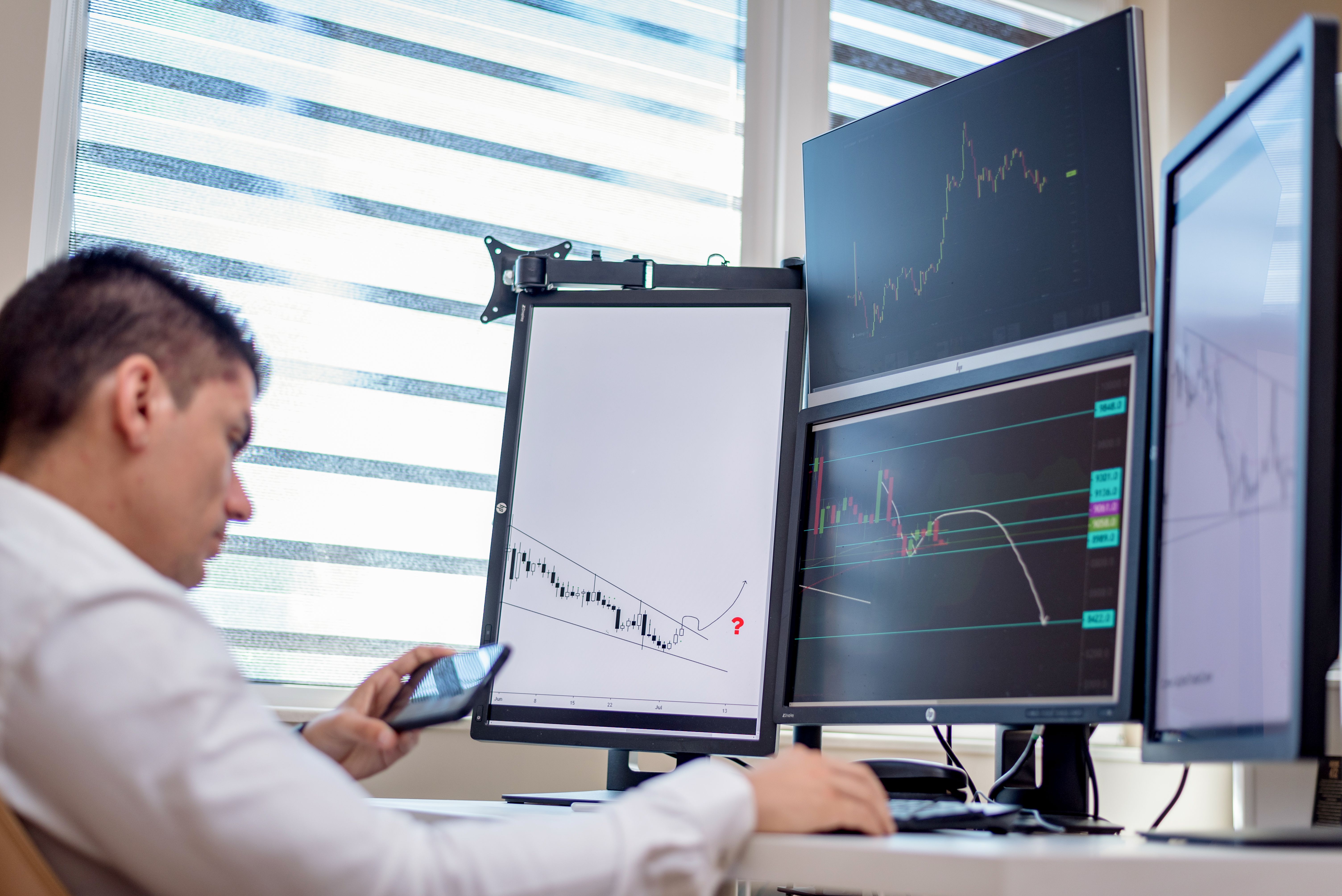
In the fast-paced world of cryptocurrency trading, the ability to make informed decisions quickly can significantly impact your success. This is where real-time data comes into play. In this real-time data trading guide, we will explore how to leverage real-time data to improve your trading outcomes and enhance your overall trading strategy.
Understanding Real-Time Data in Trading
Real-time data refers to information that is delivered immediately after collection. In the context of trading, this can include live price feeds, market news, trading volumes, and technical indicators. The immediacy of real-time data allows traders to react swiftly to market changes, making it essential for anyone serious about trading.
Why Real-Time Data Matters
- Timeliness: In trading, every second counts. Real-time data provides traders with the most current information, enabling them to make decisions based on the latest market conditions.
- Accuracy: Reliable real-time data minimizes the risk of making decisions based on outdated information, which can lead to significant losses.
- Market Sentiment: Real-time data helps traders gauge market sentiment through price movements and trading volumes, allowing them to anticipate market trends.
Key Components of Real-Time Data
To fully utilize real-time data, it's important to understand its key components:
- Price Feeds: Live updates on asset prices are crucial for determining entry and exit points. Traders must use platforms that provide accurate and fast price feeds.
- Volume Data: Analyzing trading volumes can help traders understand the strength of a price movement. High volume often indicates strong support or resistance.
- Market News: News events can dramatically impact market conditions. Real-time news feeds alert traders to significant developments that could influence their trades.
- Technical Indicators: Tools like moving averages, RSI, and MACD provide insights into potential price movements when combined with real-time data.
How to Use Real-Time Data Effectively
1. Choose the Right Trading Platform
Selecting a trading platform that offers robust real-time data capabilities is crucial. Look for features such as:
- Live Price Charts: Ensure the platform provides customizable charts that update in real-time.
- News Integration: A platform that integrates news feeds allows traders to stay informed about market-moving events.
- Analytical Tools: Advanced analytics tools can help interpret real-time data, providing deeper insights into market trends.
At Trnd Tools, our Trnd Terminal serves as your trading command center, offering all necessary market insights in one place, including price tracking and sentiment analysis. This makes it easier for traders to react to market changes swiftly and accurately.
2. Monitor Market Trends
Using real-time data to monitor market trends involves tracking price movements and volume changes. Here’s how you can do it:
- Set Alerts: Use your trading platform to set alerts for significant price changes or volume spikes. This way, you’ll be notified immediately when a market opportunity arises.
- Analyze Patterns: Regularly review price charts to identify trends and patterns. Tools like moving averages can help smooth out price data and reveal underlying trends.
- Use Multi-Timeframe Analysis: Examine price movements across different timeframes. This can help you understand short-term fluctuations and long-term trends simultaneously.
3. Incorporate Technical Analysis
Technical analysis is the study of past price movements to forecast future price action. By combining real-time data with technical analysis, traders can make more informed decisions. Here are some techniques:
- Identify Support and Resistance Levels: Use real-time data to determine key price levels where the asset has historically found support or resistance. These levels can guide your entry and exit points.
- Use Indicators: Incorporate indicators like the Relative Strength Index (RSI) or Moving Average Convergence Divergence (MACD) to assess market momentum and potential reversal points.
- Backtesting: Test your trading strategies against historical data to evaluate their effectiveness. This will help you refine your approach before applying it in real-time trading.
4. Stay Updated with Market News
Market news can have a significant impact on trading decisions. Here’s how to stay informed:
- Curated News Feeds: Utilize platforms that offer curated news feeds to filter out noise and focus on market-moving events. This ensures you receive relevant information without unnecessary distractions.
- Social Media Monitoring: Follow industry experts, analysts, and news outlets on platforms like Twitter for real-time updates and insights.
- Economic Calendars: Keep an eye on economic calendars to anticipate significant events that could affect market conditions, such as interest rate changes or regulatory announcements.
5. Use a Trading Journal
A trading journal is an invaluable tool for tracking your performance and refining your strategy. Here’s how to make the most of it:
- Log Every Trade: Record details of each trade, including entry and exit points, reasons for entering, and outcomes. This will help you identify patterns in your trading behavior.
- Analyze Performance: Regularly review your trades to understand what works and what doesn’t. Look for trends in your successes and failures.
- Adjust Strategies: Use insights from your trading journal to adjust your trading strategies based on real-time data and performance outcomes.
At Trnd Tools, our Trading Journal feature allows you to log trades, monitor profits, and identify patterns over time, making it easier to track your trading performance.
Common Challenges in Using Real-Time Data
While real-time data is essential for trading success, there are challenges to be aware of:
- Information Overload: With the vast amount of data available, traders can become overwhelmed. It’s crucial to filter out irrelevant information and focus on what matters.
- Noise in Data: Not all data is actionable. Traders must learn to distinguish between significant market movements and noise that can lead to poor decisions.
- Latency Issues: Delays in data feeds can result in missed opportunities. Ensure your trading platform offers reliable, fast data feeds to minimize latency.
Best Practices for Leveraging Real-Time Data
To effectively leverage real-time data in your trading, consider these best practices:
- Stay Disciplined: Stick to your trading plan and avoid impulsive decisions based on real-time data alone. Use data to inform your strategy, not dictate it.
- Continuous Learning: The trading landscape is constantly evolving. Stay informed about new tools, techniques, and market trends to enhance your trading skills.
- Network with Other Traders: Join trading communities to exchange insights and strategies. Learning from others can provide valuable perspectives on using real-time data effectively.
Conclusion
Incorporating real-time data into your trading strategy can significantly enhance your decision-making process and improve your trading outcomes. By understanding the components of real-time data, utilizing the right tools, and staying informed about market trends, you can position yourself for success in the ever-changing crypto market.
To get started with real-time data trading, consider creating a free account with Trnd Tools. Our platform offers comprehensive tools and insights designed to support serious traders like you. Visit Trnd Tools today to unlock your trading potential!
FAQs
What is real-time data in trading?
Real-time data in trading refers to information that is updated instantly, allowing traders to make decisions based on the most current market conditions. This includes live price feeds, trading volumes, and market news.
How can real-time data improve my trading performance?
By using real-time data, traders can react quickly to market changes, make informed decisions based on the latest information, and identify trends that may impact their trades, ultimately leading to improved trading performance.
What tools can I use to access real-time data?
Many trading platforms, including Trnd Tools, offer access to real-time data through features like live price charts, news feeds, and technical analysis tools. Choose a platform that fits your trading needs.
Is it necessary to use real-time data for trading?
While it is not strictly necessary, using real-time data significantly enhances your ability to make informed decisions and react promptly to market movements, which is crucial in the fast-paced crypto market.
How do I filter out noise in real-time data?
To filter out noise in real-time data, focus on curated news feeds, set alerts for significant market events, and use technical indicators that help you identify actionable insights rather than getting distracted by every piece of information.
With the right approach to real-time data, you can elevate your trading game. Don’t hesitate to take advantage of the tools available to you. Create your free account today at Trnd Tools and start trading smarter!